

Home and Soul Dubai Releases Guide on Rattan Bar Stools for UAE Hospitality Venues
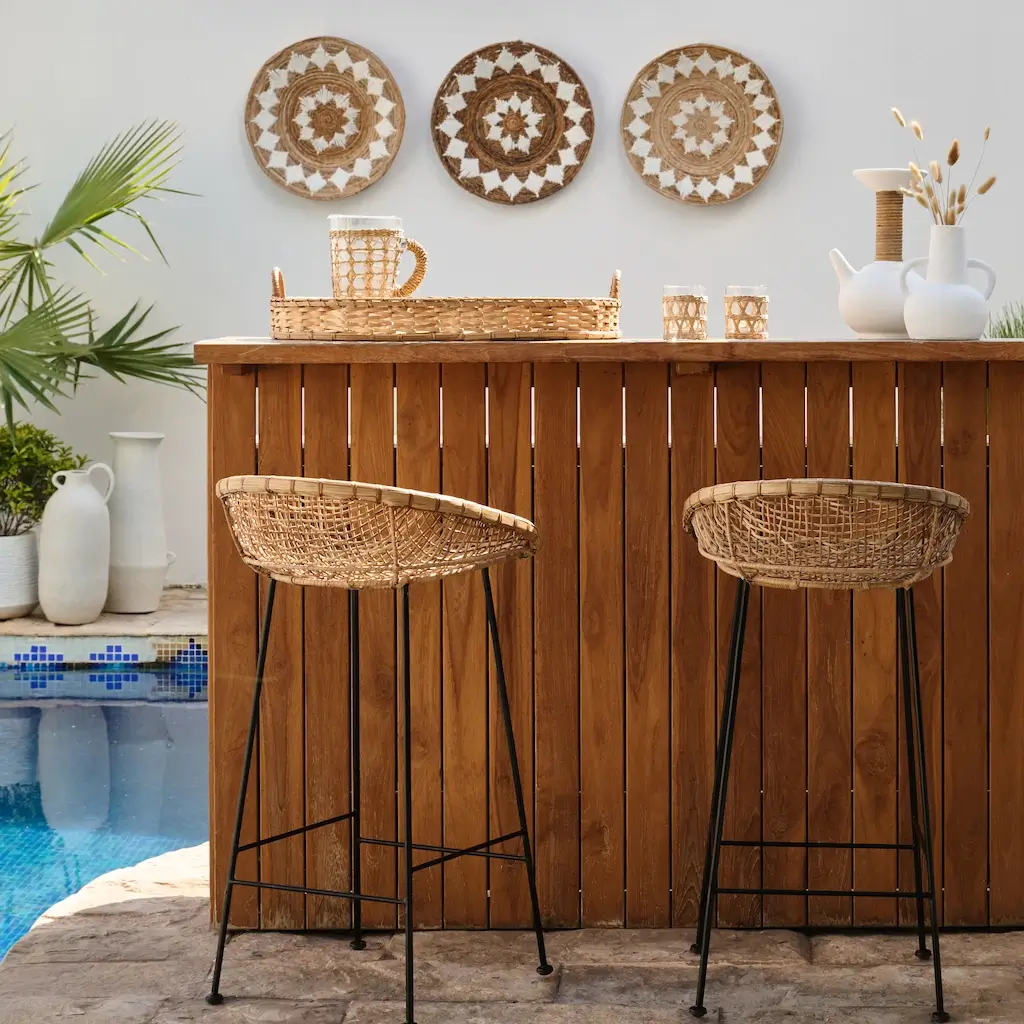
Rattan bar stools with metal legs at outdoor teak bar by pool
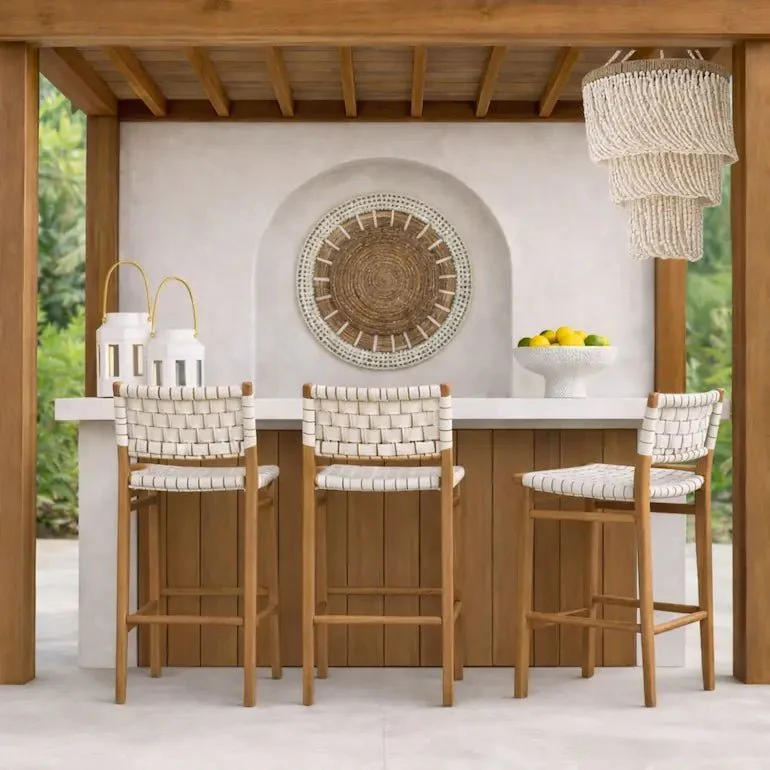
Woven bar stools with teak frames under outdoor pergola bar

People seated on rattan bar stools at poolside teak bar counter
How Natural Materials Are Reshaping Bar Seating Design in Hospitality Spaces
DUBAI, AL MANARA, UNITED ARAB EMIRATES, March 24, 2026 /EINPresswire.com/ -- A shift in seating preferences is visible across cafes and restaurants in Dubai and the wider UAE. Where metal and plastic once dominated bar counters, natural materials - particularly rattan - are increasingly present in both new openings and refurbished establishments. The trend reflects a broader change in how hospitality venues approach atmosphere and guest experience.Why Rattan Has Gained Ground in Restaurant Seating
Bar stools are among the most functionally demanding pieces of furniture in a commercial setting. They accommodate hundreds of guests per day, require regular cleaning, and must maintain structural integrity under sustained use. At the same time, they are among the most visible elements of a bar or counter area - the first thing a guest sees when approaching the space.
Rattan meets both requirements in a way that metal and plastic do not. The material has natural elasticity, which means it responds slightly to body weight and reduces pressure points over extended sitting periods. This is a practical advantage in venues where guests spend an hour or more at the bar. The woven structure also allows air circulation, which has particular relevance in the UAE climate where enclosed, air-conditioned spaces can cause seating surfaces to feel uncomfortable over time.
Visually, rattan bar stools introduce texture and warmth without adding visual weight. In compact bar areas, metal stools can make the space feel heavier and more enclosed. The open weave of rattan maintains visual lightness regardless of the room size, which makes it a versatile choice across different venue formats - from small specialty coffee shops to larger restaurant bar counters.
Natural Materials and the Shift in Guest Expectations
The preference for natural materials in hospitality interiors is not limited to rattan. Wood, linen, handmade ceramics, and stone have all become more prevalent in restaurant and cafe design over the past several years. The underlying pattern is consistent: guests increasingly respond to spaces that feel considered and tactile, rather than sterile or generic.
This has measurable consequences for venue operators. Establishments with distinctive, material-rich interiors tend to generate more organic social media content from guests - a relevant factor in a market as visually competitive as Dubai's. Bar stools, positioned at a height that places them in natural photo frames, contribute directly to the overall visual identity of the bar area.
The boho aesthetic - characterised by natural weaves, warm tones, and layered textures - has become a recognisable design language in this context. Rattan bar stools are frequently central to this approach, though they also integrate effectively with more restrained or contemporary interiors when paired with the right counter materials and colour palette.
Material Performance in Commercial Conditions
A common concern among venue operators is whether rattan can withstand commercial use. The answer depends on the specification of the product. Commercial-grade rattan undergoes heat treatment and is finished with protective coatings. Frames are typically steel or aluminium, rated for loads between 120 and 150 kg. With standard maintenance, commercial rattan bar stools have an average service life of five to eight years.
Maintenance requirements are straightforward. Surfaces are wiped down with a dry or slightly damp cloth. Unlike upholstered seating, the woven structure does not trap crumbs or absorb liquid. If damage occurs, woven sections can often be repaired locally without replacing the entire chair.
Weight is also a practical consideration. Rattan bar stools are lighter than metal equivalents, which simplifies handling during events when layouts need to be reconfigured. For venues that alternate between standard service and private functions, this is a relevant operational factor.
For outdoor terraces and garden areas, the Solana Rattan Bar Stool is one model designed with these conditions in mind - the frame and weave are finished for exposure to sun and humidity, which are standard conditions on Dubai terraces.
Design Compatibility Across Venue Formats
A recurring assumption is that rattan is suited only to casual, beach-style venues. This is not reflected in current design practice. Rattan bar stools are now used in hotel lobbies, rooftop bars, fine dining spaces, and contemporary bistros. The material's compatibility with hard surfaces - marble, dark wood, concrete, brushed metal - allows it to function across a wide range of design briefs.
The key variable is silhouette. Rattan stools with clean geometric frames and minimal detailing read as contemporary. Models with more open or irregular weave patterns lean toward a relaxed, natural aesthetic. Venue operators can select accordingly based on the intended positioning of the space.
For venues with outdoor seating, the collection of outdoor bar stools available through specialist UAE suppliers now covers a range of specifications - from compact poolside models to full-height bar stools designed for permanent outdoor installation. Material treatments for outdoor use include UV-resistant coatings and moisture-sealed frames, which address the specific conditions of the Gulf climate.
Practical Considerations for UAE Operators
The UAE hospitality market operates under a distinct set of conditions. Climate, cultural expectations around hospitality, and the intensity of visual competition between venues all shape furniture decisions in ways that differ from other markets.
Rattan bar stools address several of these factors simultaneously. They perform well in temperature-variable environments, hold up to frequent cleaning, and contribute to a visual identity that distinguishes a venue from competitors using standard metal or plastic seating. They are also available across a range of price points, with commercial-grade options accessible to both independent operators and larger hospitality groups.
For venue operators currently reviewing seating specifications, rattan represents a material category with documented performance in comparable climates and consistent presence in the current design landscape.
Carol Sukkar
Home and Soul Furniture Trading LLC
+971 56 112 1444
email us here
Visit us on social media:
LinkedIn
Instagram
Facebook
X
Legal Disclaimer:
EIN Presswire provides this news content "as is" without warranty of any kind. We do not accept any responsibility or liability for the accuracy, content, images, videos, licenses, completeness, legality, or reliability of the information contained in this article. If you have any complaints or copyright issues related to this article, kindly contact the author above.
