

Orange County Restaurants Face Growing Challenges Managing Fats, Oils and Grease (FOG) From Daily Kitchen Activity
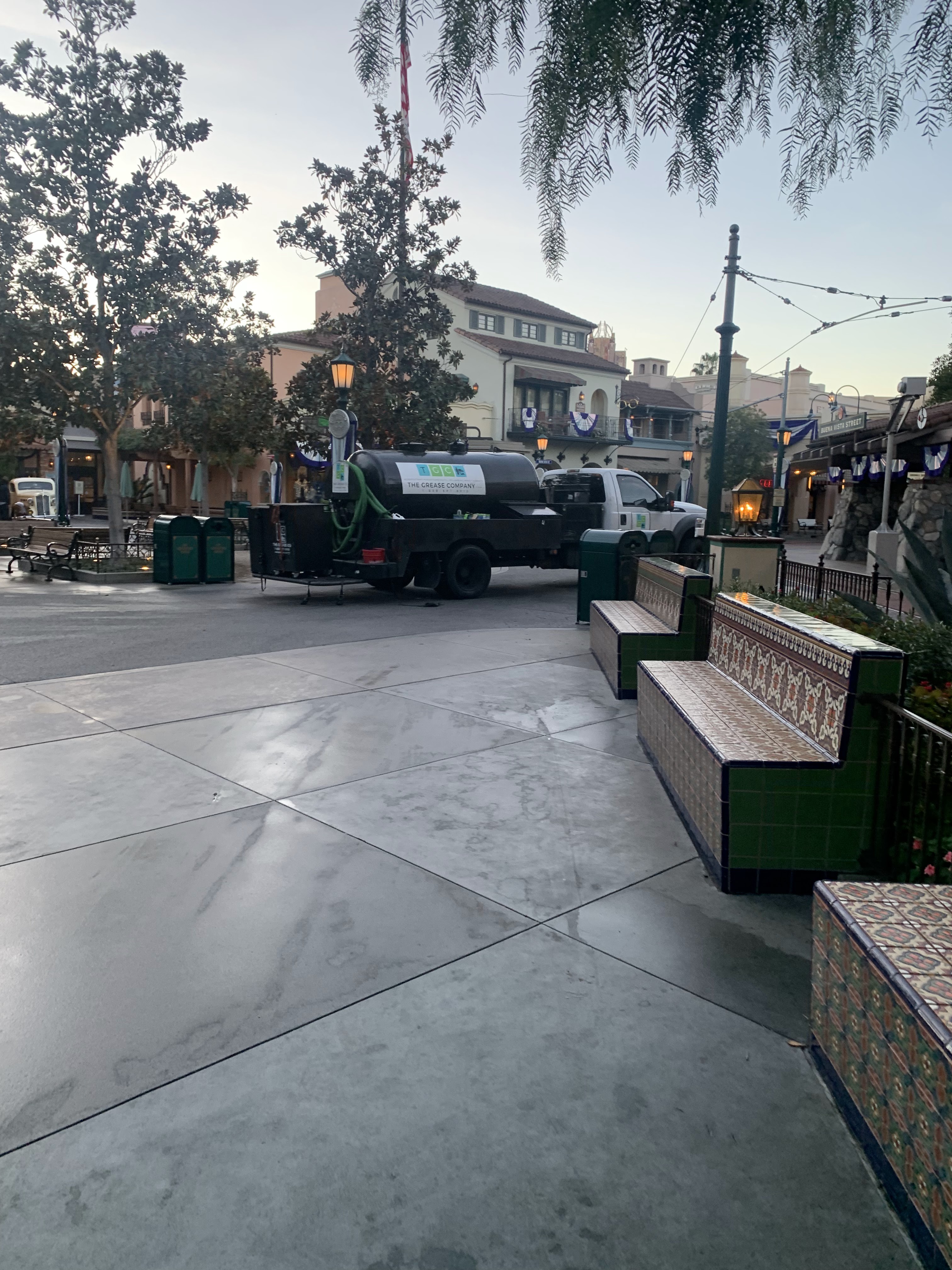
Commercial grease collection truck serving Orange County food businesses
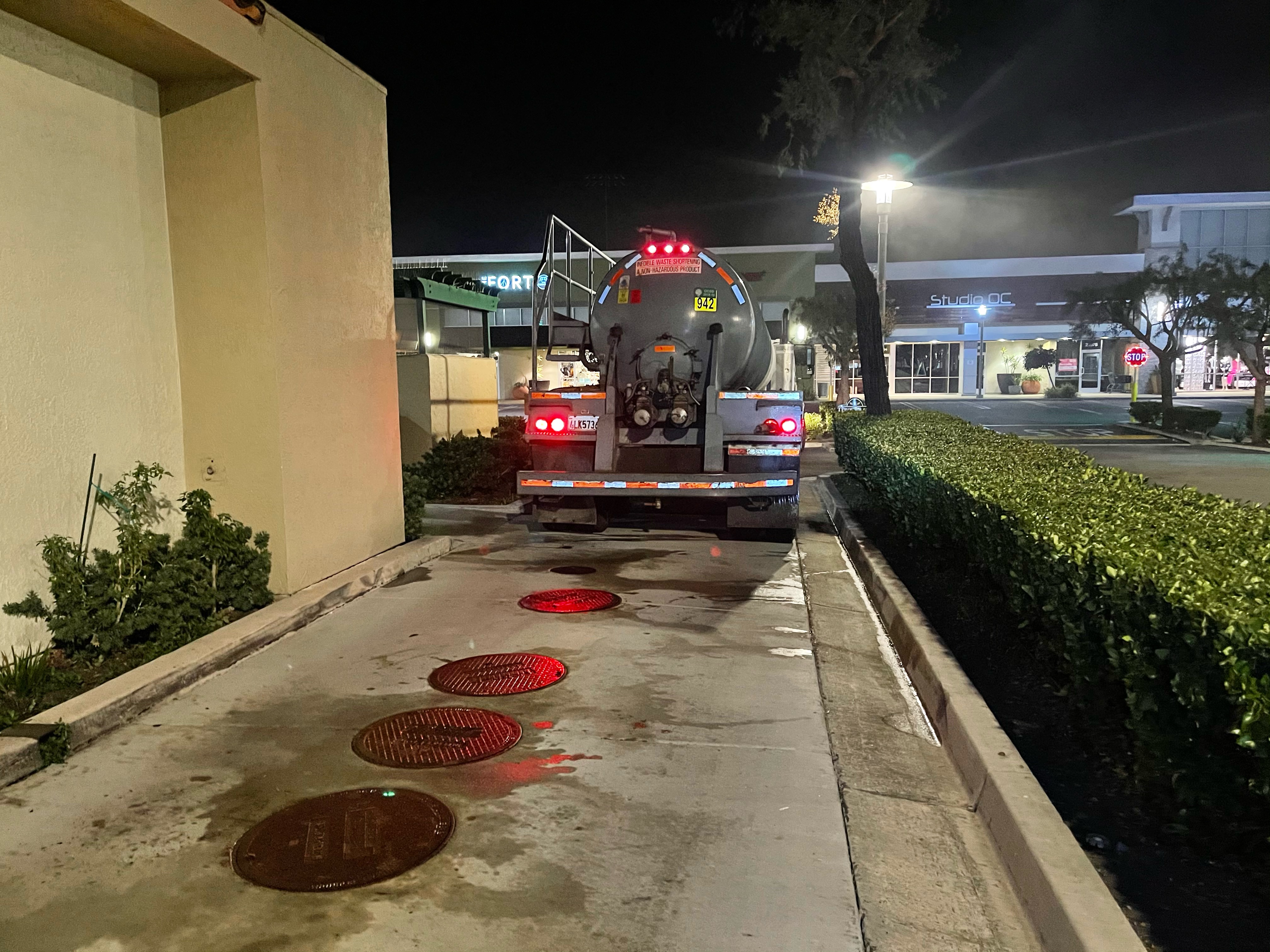
Technician servicing a restaurant grease interceptor in Orange County
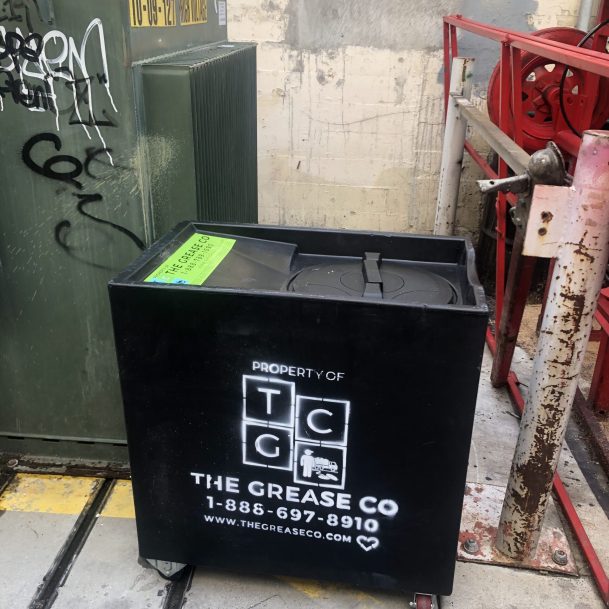
Restaurant container for collecting used cooking oil and grease
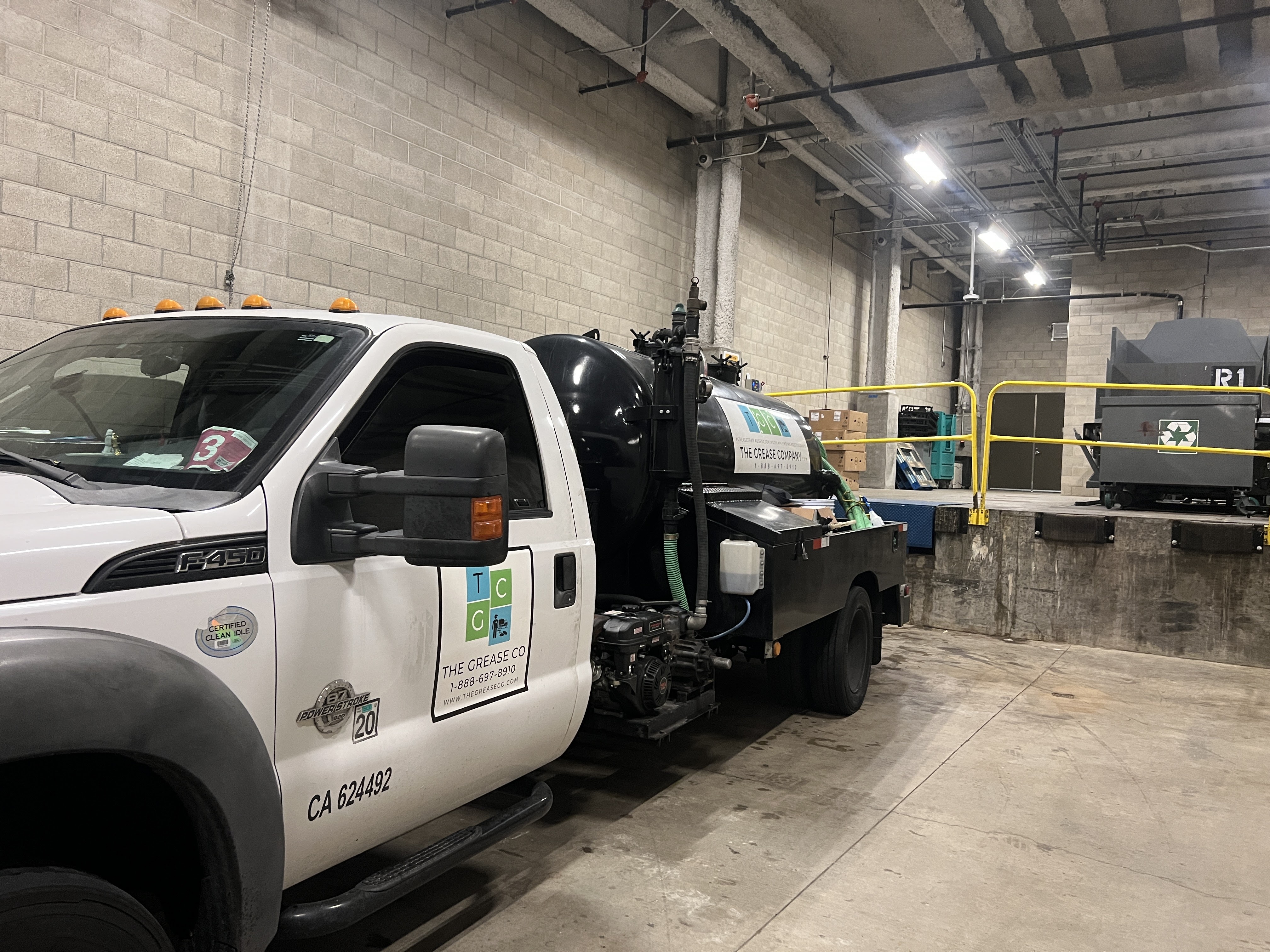
local grease management company vehicle used for commercial grease collection and management in Orange County.
Orange County restaurants face growing FOG management challenges, highlighting the need for inspections, maintenance, and best disposal practices.
Fats, oils and grease enter a restaurant’s wastewater stream through many routine kitchen activities. Used cooking oil is generated as food is fried throughout the day, while smaller amounts of grease also come from grills, pans, cooking surfaces and food preparation areas. During dishwashing and equipment cleaning, remaining fats and food residues are washed from plates, utensils, cookware and kitchen surfaces and carried with wastewater toward floor drains and plumbing lines. Food particles can travel with the wastewater as well, adding solid material to the grease that eventually settles or accumulates within grease traps, interceptors and connected sewer systems. As this material builds up, it can gradually reduce the usable capacity of grease-control equipment and restrict the movement of wastewater. Heavy accumulation may also allow grease and solids to move beyond the point where they should be captured, increasing the possibility of blockages farther along the drainage system. Restaurants may then face slow-draining sinks and floor drains, standing wastewater, unpleasant odors and recurring plumbing issues. In more serious cases, grease buildup can contribute to backups that interfere with kitchen operations and require emergency attention. For high-volume kitchens, continued accumulation can turn an ordinary wastewater-management issue into an operational problem affecting drainage, sanitation, and the ability to keep the kitchen running without interruption.
Grease traps and interceptors represent a critical line of control between busy commercial kitchens and the local wastewater system. These units are designed to slow incoming wastewater, allowing fats, oils and grease to separate from the water while heavier food solids settle at the bottom. The remaining wastewater can then continue toward the sewer, with much of the captured material retained inside the grease-control equipment. This makes traps and interceptors an important part of managing the fats, oils and grease generated during daily food preparation before they move farther into the wastewater network. Not all kitchen grease, however, belongs in this wastewater stream. Used cooking oil from deep fryers requires separate handling once it is no longer suitable for cooking. After the oil has cooled, it should be drained from frying equipment into a dedicated grease collection container rather than being poured into sinks, floor drains or other wastewater outlets. A suitable container provides a designated holding point for the oil until an licensed IKG hauler arrives for used cooking oil collection. But, while grease traps, interceptors and dedicated cooking-oil containers provide controlled grease holding points, each has a limited capacity. As captured FOG, food solids or used fryer oil continues to accumulate, reaching that limit can create a more immediate problem for restaurant operators. A grease trap or interceptor that becomes too full may overflow, allowing grease and wastewater to escape from the equipment and spread into nearby areas. Likewise, an overfilled used cooking oil container can spill when additional oil is added or during handling. These incidents can leave grease-coated surfaces, create slippery working areas, attract pests and require employees to stop normal duties for cleanup. Larger grease spills on the kitchen floor may also involve additional property cleanup costs or regulatory attention.
Restaurant kitchen practices can influence how much FOG ultimately reaches grease-control equipment. Scraping excess food and grease from cookware before washing, keeping food solids out of drains and directing used fryer oil into dedicated collection containers can reduce unnecessary material entering wastewater systems. However, grease management requirements can change as a restaurant grows. Higher food production, additional fryers, longer operating hours and menu changes can increase the amount of grease requiring collection and disposal. Certified grease experts in Orange county also note that equipment condition matters as kitchen activity changes. Regular inspection can help identify excessive buildup, damaged baffles, cracks, leaks, loose covers or connection problems before they develop into larger maintenance concerns. In addition to that, professional grease trap and used cooking oil management can bring these different responsibilities together through scheduled grease trap cleaning, regular equipment inspection, timely maintenance and keeping required service records.
For OC food service establishments, a proactive approach to FOG management can help address grease-related concerns before they develop into costly emergencies. Consistent attention to kitchen practices, grease-control equipment, used cooking oil containers and maintenance schedules gives restaurant operators a better opportunity to identify changing conditions before an overflow, major repair or plumbing emergency interrupts normal operations. “Restaurants don’t have to wait for an overflow to discover a grease problem. Regular attention to equipment and wastewater streams can help prevent small issues from becoming costly disruptions,” said a local grease removal expert. As Orange County’s commercial kitchens continue serving customers, organized handling and proper disposal of FOG remains an important part of maintaining clean and compliant commercial kitchens.
Manager
Orange County Grease Co.
webmaster@thegreasecompany.com
Visit us on social media:
Instagram
Facebook
YouTube
Legal Disclaimer:
EIN Presswire provides this news content "as is" without warranty of any kind. We do not accept any responsibility or liability for the accuracy, content, images, videos, licenses, completeness, legality, or reliability of the information contained in this article. If you have any complaints or copyright issues related to this article, kindly contact the author above.
